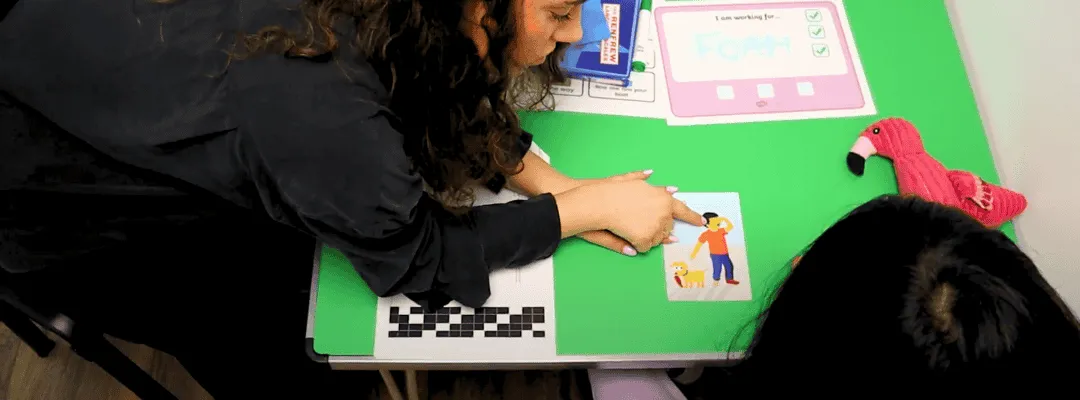
The Importance of Visual Supports for Children with Communication Difficulties
For many children with Speech, Language, and Communication Needs (SLCN), verbal communication alone can be challenging. Whether they struggle to understand spoken language or have difficulty expressing their thoughts verbally, these communication barriers can significantly impact their ability to learn and interact with their peers. This is where visual supports play a crucial role. Visual aids provide an alternative method of communication that can enhance understanding, reduce anxiety, and create a more inclusive classroom environment.
In this article, we will explore what visual supports are, why they are effective, and practical strategies teachers can use to integrate them into their daily routines.
What Are Visual Supports?
Visual supports are tools that use pictures, symbols, or objects to represent language and concepts. These aids are especially useful for children with communication difficulties, as they provide a non-verbal way for students to understand information, express themselves, and navigate social interactions. Visual supports come in many forms, including:
Picture schedules: Visual representations of a daily routine or sequence of tasks.
Choice boards: Visual options that allow students to make decisions by pointing or selecting.
Social stories: Short narratives that explain social situations and behaviors using pictures and simple language.
Labels: Pictures or symbols placed on objects in the classroom to help students identify them.
Visual cues: Symbols or objects that serve as reminders or instructions.
These supports can be individualized to meet the specific needs of a child and can be easily incorporated into classroom activities, making learning and communication more accessible.
Why Visual Supports Are Effective
Children with SLCN may struggle to process verbal language, whether due to a language delay, developmental disorder, or other communication challenges. For these students, visual supports provide a different way to receive and express information, bypassing the barriers they face with spoken language.
Here’s why visual supports are so effective:
1. They Reduce Anxiety and Overwhelm
For children with communication difficulties, trying to understand verbal instructions or express themselves can be overwhelming. This often leads to anxiety, frustration, and disengagement. Visual supports help reduce this anxiety by making information clear, consistent, and predictable. When students can see what’s coming next—whether it’s a picture schedule of the day’s activities or a choice board that allows them to express a preference—they feel more in control and less anxious.
2. They Enhance Comprehension
Visual aids provide a concrete representation of abstract ideas. For children who struggle to grasp complex verbal instructions, pairing language with visual cues helps make information more understandable. This is particularly helpful for students who have difficulty processing spoken language in real time. A visual reminder or a picture prompt can reinforce instructions and ensure that students understand what’s expected of them.
For example, if a teacher gives a multi-step instruction like “Get your book, sit down, and write your name,” some students might struggle to remember all of the steps. A visual chart showing the steps can serve as a helpful guide.
3. They Support Self-Expression
Children who have difficulty speaking or finding the right words to express themselves can feel isolated or frustrated. Visual supports give these children a way to communicate their thoughts, needs, and feelings without relying solely on speech. For example, a choice board with pictures of different activities allows a student to point to what they want to do, giving them more control over their day and reducing frustration.
Similarly, emotion charts with pictures of facial expressions can help children communicate how they are feeling when they may not have the words to describe their emotions.
4. They Create a Predictable Learning Environment
Consistency and routine are important for children with SLCN. Visual supports like picture schedules create a predictable structure in the classroom, helping students anticipate what will happen next. This predictability not only reduces anxiety but also helps students transition between activities more smoothly. When students know what’s expected and what’s coming next, they are more likely to stay focused and engaged in their tasks.
Types of Visual Supports and How to Use Them
Integrating visual supports into your classroom doesn’t require a major overhaul of your teaching style. In fact, many visual supports are simple to create and can be seamlessly incorporated into daily routines. Here are some common types of visual supports and practical ways to use them:
1. Picture Schedules
A picture schedule is a visual representation of the day’s events or a specific sequence of activities. For children with communication difficulties, knowing what’s coming next in their day can alleviate anxiety and help them transition between tasks more easily.
How to use picture schedules:
Create a simple visual timeline of the day’s activities using images or symbols.
Display the schedule prominently in the classroom where all students can see it.
Use removable cards or Velcro strips so students can physically move or check off tasks as they are completed, giving them a sense of accomplishment and control.
2. Labels and Object Cues
Labeling objects around the classroom with pictures and words helps students understand the purpose of different items and navigate the environment independently. For example, label the bookshelves, doors, desks, and other commonly used items with pictures and words that describe them.
How to use labels and object cues:
Place visual labels on classroom objects that students use regularly, such as a picture of a chair on the back of a chair.
Use symbols to represent different classroom areas or activity zones (e.g., a picture of a book for the reading corner).
Include both pictures and text to reinforce literacy and word recognition.
3. Choice Boards
Choice boards allow students to express preferences without needing to use verbal language. These boards display visual options (such as different activities or food choices) that students can point to or select.
How to use choice boards:
Create a board with pictures of different activities (e.g., drawing, reading, or playing with blocks) and allow students to choose which one they want to do.
Use a choice board during snack or mealtime to let students select what they want to eat or drink by pointing to pictures of food or beverages.
Give students a sense of control over their environment by using choice boards to let them choose how to spend free time or what tasks they want to complete first.
4. Social Stories
Social stories are visual narratives that help students understand social situations and appropriate behaviors. These stories are especially helpful for children who struggle with social communication or have difficulty understanding social cues.
How to use social stories:
Create short, illustrated stories that describe common social situations (e.g., “How to ask for help,” “What to do when you’re angry”).
Use simple language and pictures to explain behaviors and expectations.
Read social stories with students before they enter new or challenging situations to prepare them for what to expect and how to respond appropriately.
The Benefits of Visual Supports in the Classroom
The impact of visual supports extends beyond just communication. When used consistently, they can transform the classroom experience for children with SLCN by:
Increasing Participation: Students who struggle to keep up with verbal instructions can become more engaged and independent when they have visual cues to guide them.
Improving Behavior: Visual supports help students understand expectations, routines, and transitions, reducing frustration and minimizing behavioral challenges.
Fostering Inclusion: By providing alternative communication methods, visual supports ensure that every student has the tools they need to participate in classroom activities, regardless of their communication abilities.
Boosting Confidence: As students become more familiar with using visual supports to express themselves and understand others, they gain confidence in their communication skills and feel more capable in the classroom.
How Teachers Can Get Started with Visual Supports
Implementing visual supports in the classroom doesn’t have to be complicated. Here are a few simple steps to get started:
Start Small: Begin by incorporating a few visual aids, such as a daily picture schedule or labeled objects. Once students are comfortable with these supports, you can gradually introduce more tools, like choice boards or social stories.
Be Consistent: Use visual supports consistently throughout the day. The more familiar students become with these aids, the more effective they will be in supporting communication and learning.
Personalize Visual Aids: Tailor visual supports to meet the individual needs of your students. Some students may benefit from more detailed visual schedules, while others may need simpler cues. Adjust your tools to fit their communication styles.
Collaborate with Speech and Language Therapists: If you have students with identified communication needs, work closely with speech and language therapists (SLTs) to develop customized visual supports that address their specific challenges.
Takeaways

Visual supports are a powerful tool for enhancing communication in the classroom, particularly for children with Speech, Language, and Communication Needs. By using picture schedules, choice boards, social stories, and other visual aids, teachers can create a more inclusive and supportive learning environment where all students can thrive.
Interested in learning more about how to use visual supports effectively? Our team of expert Speech and Language Therapists has put together a comprehensive guide with additional strategies and tips for integrating visual supports into your classroom.
